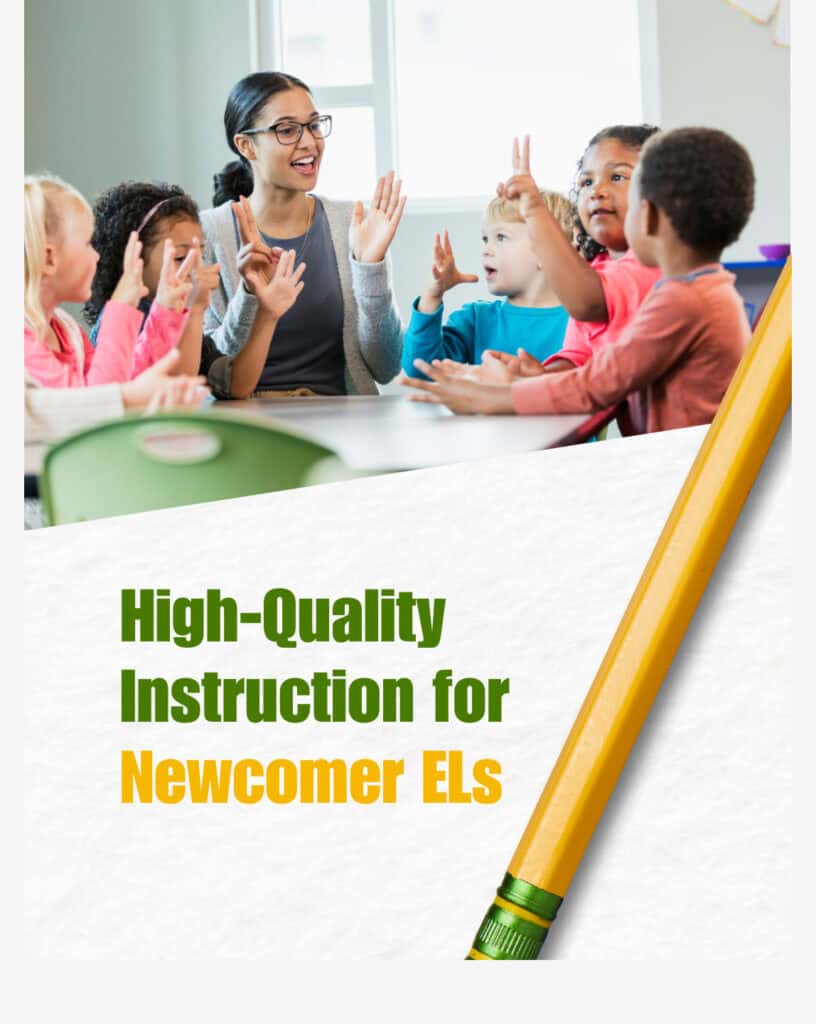
Teaching ELL newcomers can be challenging.
Here are 6 steps along with free resources, strategies, and lesson plans to help you get started.
Let’s jump right in.

Free Resources for Language & Content Learning:
Teaching academic subjects like math, science, and social studies can be very rewarding for students and teachers.
We do not need to shy away from content-rich topics with our ELLs. In fact, language learning is more effective when we don’t.
Couch your vocabulary, grammar, phonics, and more in meaningful, content-rich, engaging topics.

Resources for Leveraging ELL Newcomers’ Linguistic & Cultural Assets:
Your students are using their home languages whether you like it or not. If you’ve ever learned a language, you know that you are constantly translating in your head. If you learn a word in your new language, you are not happy until you know what it is, at least approximately, in your home language.
Utilize this in your classroom. It is an asset, not a barrier. That said, we need to be careful about overuse of home languages. Students will only learn their new language if they are using it regularly. Check out the article below on translation if you want to read more on this.

Implementing Grade Level Instruction with Deliberate Scaffolds:
Grade-level content is more engaging for our ELLs than content they may view as “babyish.” Considering also the legal issues of making sure we provide grade-level content to students, this becomes an imperative.
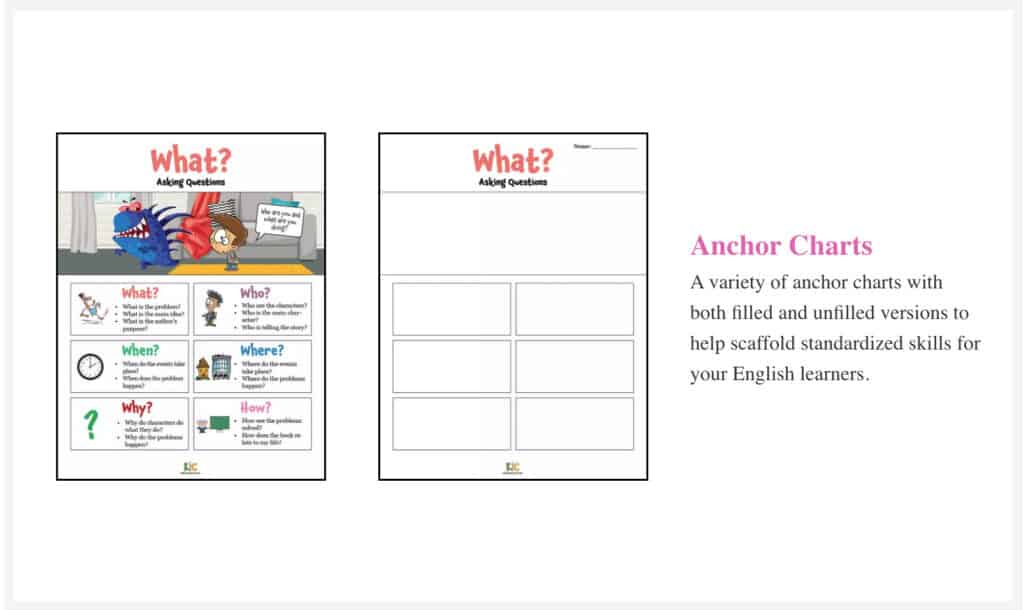
We can help ELLs access grade-level content by. providing visuals, sentence frames, modeling, good routines, structured steps, and more. Check out the resources below for loads of ideas and resources.
- 63 Supports for ELLs – The Ultimate List
- Sentence Stems
- Academic Language
- Anchor Charts
- Graphic Organizers

Resources for Fostering Student Autonomy with ELL Newcomers
Our time in class becomes so much more productive when our students take responsibility for their learning. This has to be taught and reinforced with regular classroom routines. There are so many ways to do this but my favorite is the Gradual Release of Responsibility model. You’ll find more on that model in the first article below as well as in my book Kid-Inspired Teacher.
This involves talking less and getting students to do more. It can be a big change if you have not set up your classes this way previously but it makes a huge difference in the results you and your students will achieve.
- Teaching ELLs at a Wide Range of Grade & Proficiency Levels
- Kid-Inspired Teacher Book
- Getting ELLs to Take Responsibility for Their Learning – Youtube
- Building Your ELLs’ Confidence

Resources for Assessing ELLs
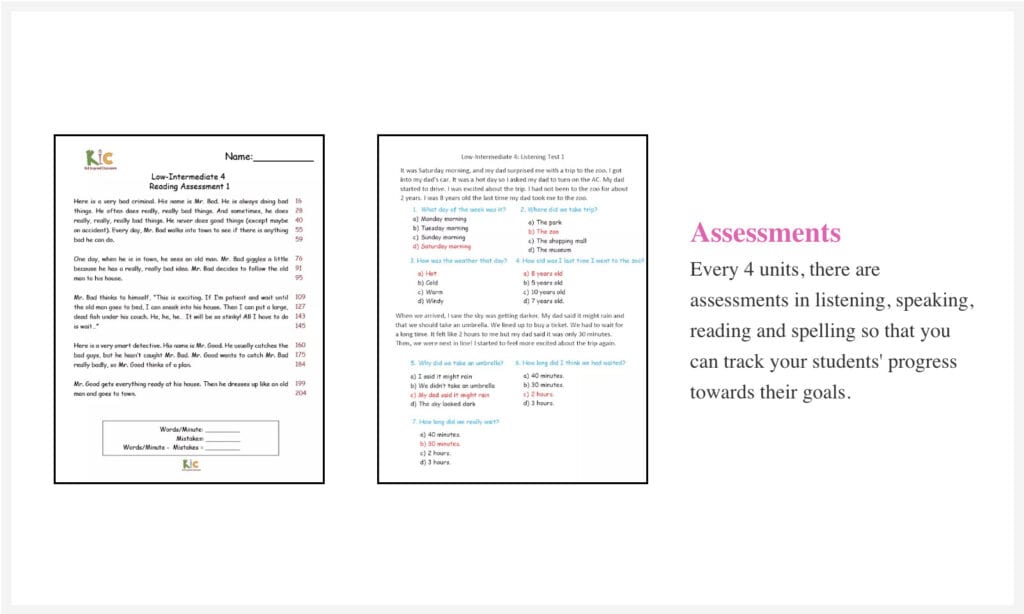
You will not know what your students need to practice most without assessing where they are. Likewise, you will not know how much progress students have made without assessing them regularly.
Good assessment is crucial to good teaching. The Kid-Inspired ELL Curriculum includes regular assessments throughout the curriculum for this purpose. You can learn more about the membership here. You can also grab a free download of the Kid-Inspired ELL Assessment below which is a great place to start.

Resources for Encouraging Expression
Students who use the language, improve. They also get good at what they practice. If your students are sitting through most of your lessons listening, their listening may improve (if they are, in fact, listening), but they will not improve in speaking, reading, and writing.
Get your students listening, speaking, reading, and writing on their own without help every single class. Check out the free resources below as well as the Kid-Inspired ELL Curriculum Membership at the bottom of this page for an entire library of resources to help you accomplish this.
More ELL Newcomer Resources:
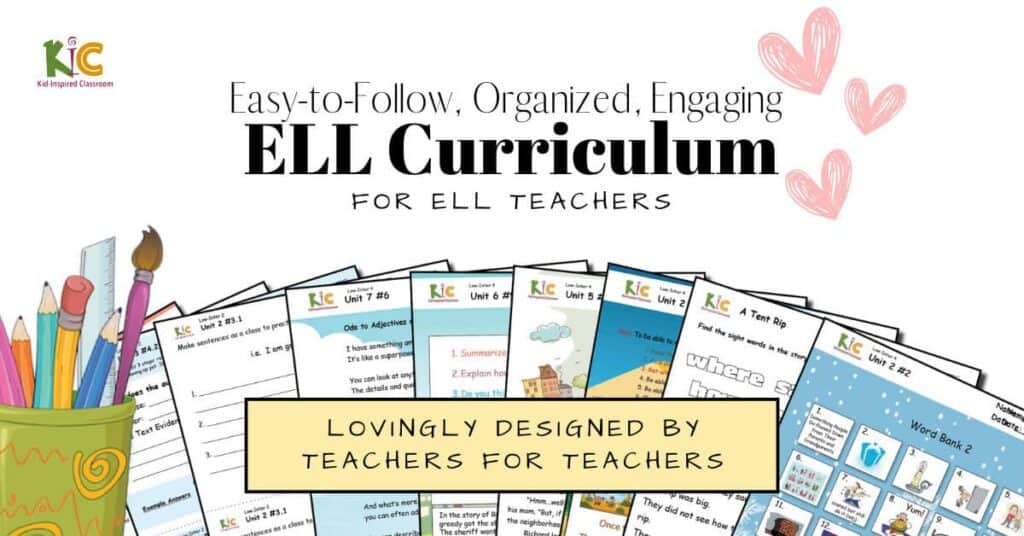
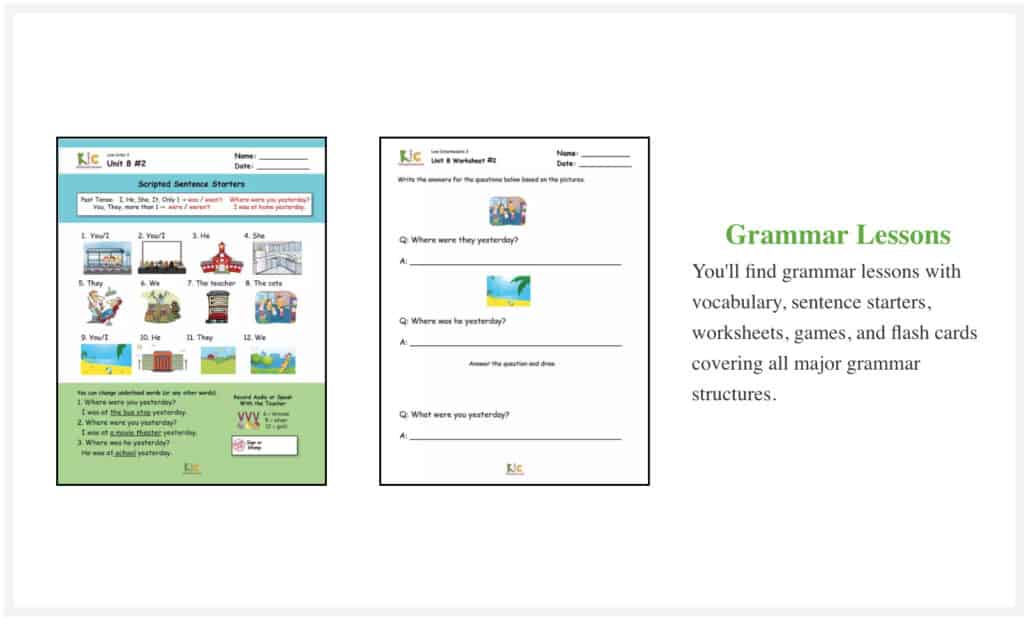
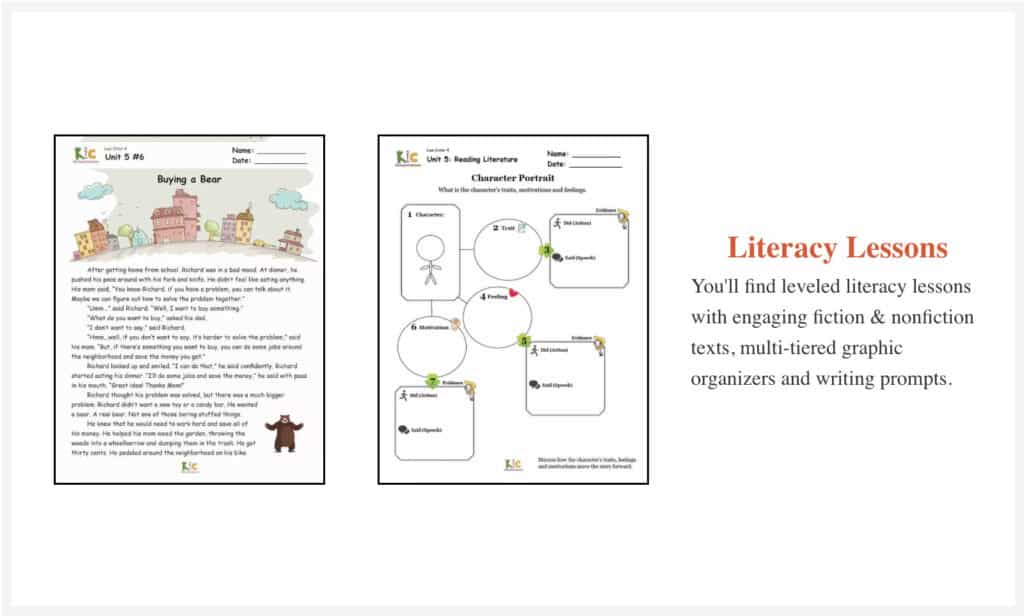
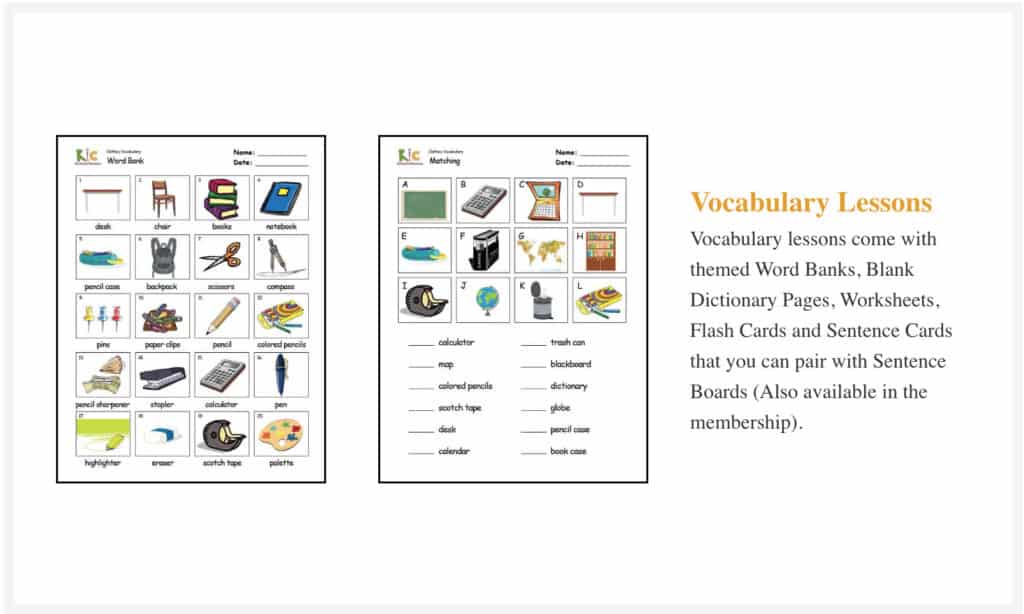
The Kid-Inspired ELL Curriculum Membership
If you need access to an entire library of engaging resources for your ELLs, join the Kid-Inspired ELL Curriculum Membership.